
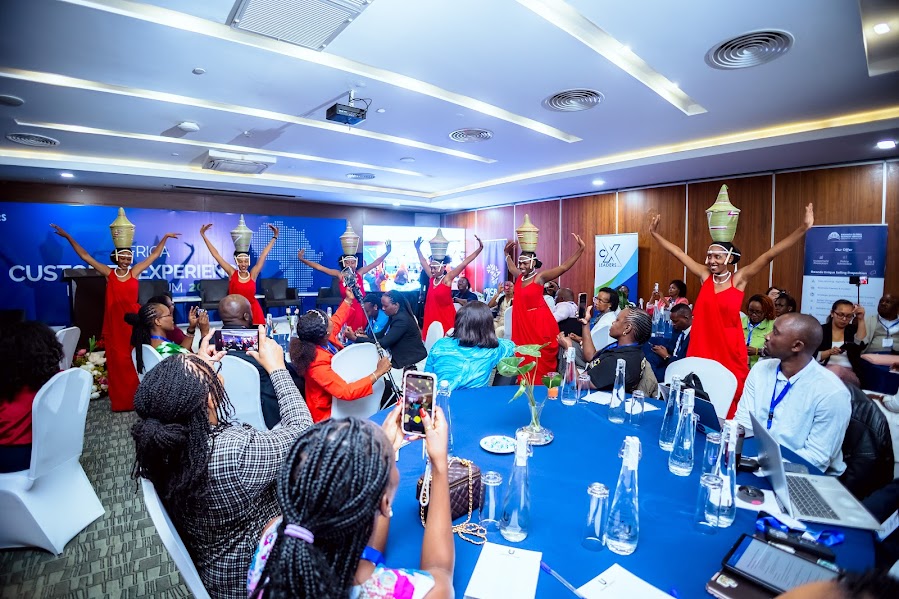
The conference room at Ubumwe Grande Hotel in Kigali was alive on the morning of 11th September. Before the first keynote, traditional Rwandan dancers took to the stage, their figures moving in colourful costumes, drumming in rhythms that shook the floor. It was more than a cultural opening: it was an invitation to all attendees to bring energy, rootedness, and authenticity into every session that followed.
Over 11th and 12th September 2025, the Africa CX Leaders Forum convened a distinguished mix of CX leaders, public sector officials, consultants, tech innovators, and service delivery experts from across Africa. The goal was clear: not just to talk about what good customer experience looks like in theory — but to map out how to build governance, culture, metrics, and leadership that produce real outcomes for customers, citizens, and organisations.


What Happened — Themes, Discussions & Atmosphere
Day One — Setting the Stage
From the first keynote, the message was bold: Africa’s CX future is urgent. Discussions circled around new expectations for service, especially in public institutions, and how citizens are demanding more — transparency, responsiveness, human touch, and convenience. A recurring question echoed through the hall: how do you balance emerging technologies (AI, digital channels) with preserving empathy, authenticity, and trust?
Sessions explored Voice of the Customer (VoC) programs: how to design them, what data to collect, and how to act on feedback. Others focused on frameworks for CX governance — legal, regulatory, and organisational structures that ensure CX isn’t just the passion of one person, but becomes embedded in policies and leadership accountability.
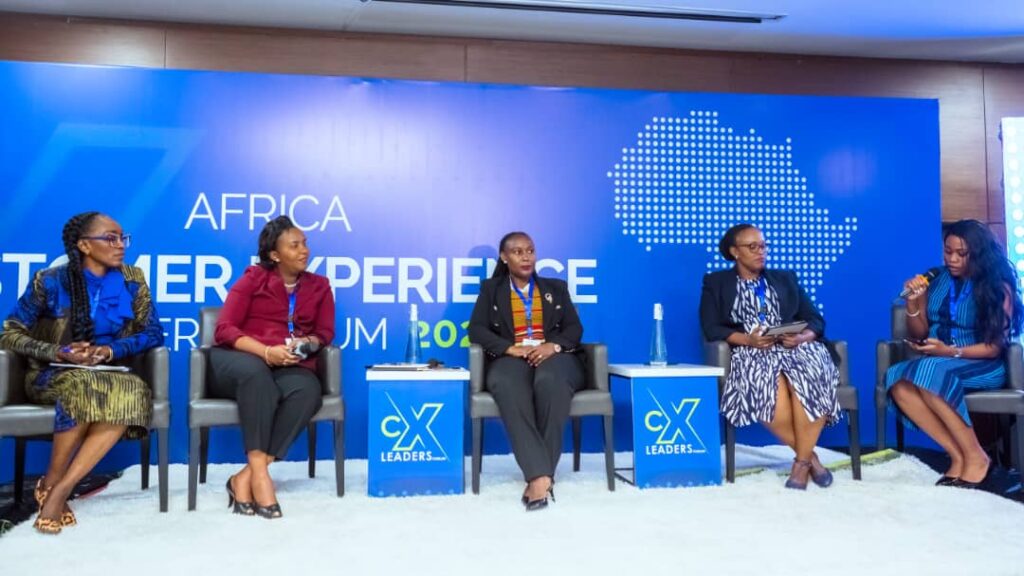
A standout moment was the panel discussion on “Shaping the CX Profession at National Levels – Best Practices, Challenges and Opportunities.” Leaders of national CX professional bodies shared candid stories of building associations from the ground up, advocating for recognition, and influencing standards in their home countries. They highlighted the obstacles of positioning CX as a distinct profession in markets where awareness is still developing, while also pointing to successes such as creating growth pathways for practitioners and advancing policy conversations. Their reflections reinforced that Africa’s CX movement is not only about improving customer interactions today but about building a recognised, sustainable profession for the future.
Attendees also talked about measurement: which metrics matter beyond mere satisfaction — such as loyalty, effort, emotional resonance with brands or services, and employee experience. Panel discussions were robust; questions from the audience often challenged speakers to move beyond theory into actionable reality under resource constraints.
Day Two — Culture, Execution & Loyalty
Day Two shifted gears toward implementation. Workshop rooms buzzed with activity: case studies, role-plays, group discussions. Many sessions focused on culture: how to inspire change, how to win hearts and minds of employees, aligning values, leadership behaviour, and building CX culture from the front lines up.
There were masterclasses on making persuasive business cases for customer experience — not only showing costs but demonstrating return on investment (ROI), linking CX initiatives to revenue, retention, brand perception, and competitive advantage. There were also breakout discussions about loyalty: what does loyalty mean in different African markets? How do organisations preserve it in a digital age? What trust-building actions matter most?
Another thread was public-sector CX: citizens as customers; how service bureaucracy, policy, and feedback mechanisms can be improved; how governments can adopt governance blueprints, integrate citizen feedback into service delivery, and measure performance in meaningful ways.



Uganda’s Delegation & Their Contributions
Among the sea of delegates was Uganda’s strong 10-member team from the Customer Experience Association of Uganda (CXA Uganda), contributing substantively to the Forum’s energy and ideas.
Daudi Mugabi, General Secretary, stepped in as Master of Ceremonies on Day One, guiding transitions between keynotes, introducing panels, and keeping the flow. His role helped to bind Day One’s themes together into a coherent narrative.
Dr. Dorothy Kyeyune shone in a panel discussion where she urged CX practitioners to elevate their voice: to be bold, to take the case for customer experience to the C-suite, demonstrating not just operational benefit but strategic importance. Her perspective emphasized that CX must be championed at the top to be truly integrated.
Rebekah Zadok Mugisha presented on behalf of the Public Sector CX Governance Blueprint Commission. Her presentation offered a structured roadmap for government institutions: governance mechanisms, citizen feedback loops, accountability, performance metrics. Her work resonated with similar discussions about how public systems can become more responsive and aligned with citizen needs.
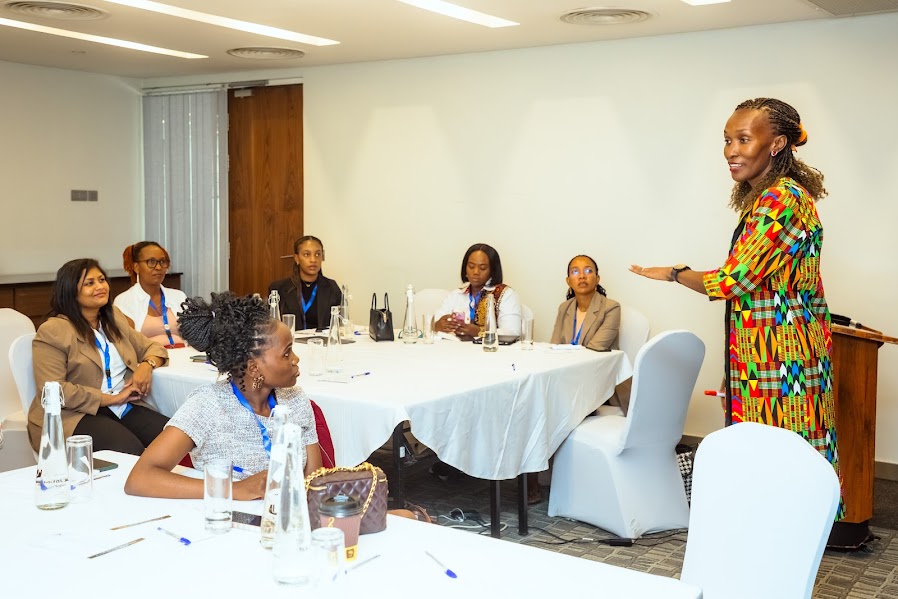
On Day Two, Joan Ntabadde Kyuyune, President of CXA Uganda, held a workshop titled “Winning Through People: Driving CX Culture, Change and Loyalty in Africa’s Next-Gen Ecosystems.” Her session was packed; participants worked through practical exercises around leadership alignment, employee empowerment, building loyalty through culture, and sustaining change in dynamic or constrained environments.
Throughout, Uganda’s voices added texture: reminding the Forum that while frameworks and metrics are essential, local contexts — resource limitations, diversity of customer expectations, cultural norms — shape what is feasible. Their contributions bridged global CX thought and local application.



The Feel of It — Engagement & Excitement
The Forum was more than a sequence of sessions. It was alive. The dancers in the opening did more than entertain — they warmed up the room, setting a cultural tone. Attendees emerged from sessions exchanging ideas in the corridors, scribbling in notebooks, comparing experience metrics, debating tools, models, governance templates. There was laughter, serious nods, and expressions of “I think I can bring that home to my organisation.”
Workshops were busy: flipcharts, small-group discussions, role plays. In many cases, delegates weren’t passive — they were problem-solving. They shared their organisational challenges: “How do I convince my CEO that CX needs board oversight?” “How do we scale our customer feedback system when resources are tight?” “How do we maintain empathy when we automate service?” The sessions pushed beyond presentations into conversation.
Panel discussions were similarly rich. Some were challenging: people from different sectors (public, private) compared notes, questioned assumptions, and pushed each other. One thing many agreed on: CX cannot be an afterthought or a cosmetic project; it must be integrated into leadership, culture, policy, measurement.


Key Takeaways & Looking Forward
From Kigali came some strong consensus and actionable insights:
Strong Governance and Structure are not optional. Organisations benefit when CX is backed by clear responsibilities, accountability, feedback mechanisms, and leadership oversight.
Culture and People Matter Most. Leadership behaviour, employee experience, trust, internal alignment — these things determine whether CX innovations survive beyond pilot phases.
Measurement Must Be Meaningful. Move past satisfaction surveys to metrics that measure loyalty, effort, emotional connection, business outcomes like retention or cost-savings.
Value Communication at the Top. For CX to thrive, those at the C-suite must see CX as part of strategy, not just operations.
Adaptation to Local Realities is Essential. Frameworks, blueprints, global themes are useful, but must be tuned to African contexts: culture, economies, customer expectations, resource constraints.
Public Sector CX is Critical. Governments have both a duty and opportunity to formalize CX in policy, service delivery, citizen engagement. The governance blueprints and citizen feedback systems surfaced strongly.


What Lies Ahead
As the curtains fell on Day Two, participants were already talking about what’s next. There was an announcement: the next Africa CX Leaders Forum will again be in Kigali, from 16th to 18th September 2026. The room erupted in applause and anticipation — for many, the Forum is quickly becoming the continental platform for CX vision, practice, and collaboration.
For CXA Uganda, the Kigali Forum was more than attendance — it was a signal that Uganda’s CX leaders are helping write Africa’s CX future. Now, the next steps are clear: internalise these lessons, advocate in boardrooms, build governance within organisations, scale loyalty through culture, measure what matters, and always keep the human side in view.